ÖHV Congress 2026: Between AI Euphoria and Operational Reality
Last week in Linz, the ÖHV Congress once again brought together Austria’s hospitality industry. This year, the focus was clear: artificial intelligence, simplification, and the future of the sector. But between the keynote speeches and the conversations during coffee breaks, a very real tension became visible. Where do Austrian hoteliers truly stand when it comes to digital transformation?Takeaways
AI promises simplification, but daily operations feel more complex than ever.
The real challenge isn’t technology, but implementation under staff shortages and regulatory pressure.
Bureaucracy, not innovation, is the biggest blocker to true simplification.
Austrian hospitality is shifting from growth ambitions to operational resilience.
Progress will come from pragmatic action, not perfect strategies or keynote visions.
One theme ran through almost every presentation: hospitality has to become simpler. Simpler for guests, simpler for employees, and simpler for everyone involved. AI was positioned as the key tool that can make this happen.
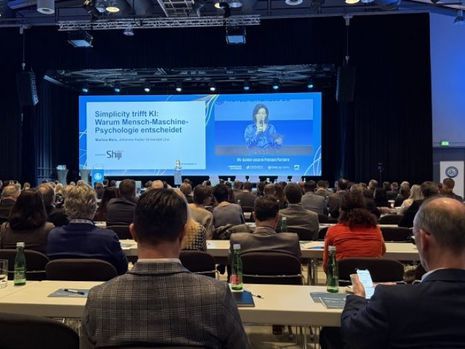
One particularly striking presentation focused on human–machine psychology. The core idea was that in certain situations, people trust machines more than other people. That is a fascinating thought for an industry that has always defined itself through personal service.
Another topic kept resurfacing throughout the day: bureaucracy. Many speakers emphasized that simplification cannot stop at technology and processes. It also has to address the growing regulatory burden hotels face every day.
Away from the stage, the tone was noticeably different. Hoteliers are not opposed to technology. Most clearly understand that digitalization is necessary. What they struggle with is the speed and complexity of it all. The unspoken question was always present: does more technology really mean more simplicity? For many, the answer currently feels like no. Every new system, platform, or integration adds another layer of complexity. More training, more coordination, and more time spent managing tools instead of running the business.
And then there is bureaucracy. Reporting obligations, documentation requirements, statistics, retention rules. City tax registrations, GDPR compliance, accessibility certificates, energy labels, fire safety documentation. The list feels endless. One hotelier summed it up perfectly: We spend more time documenting things than actually doing them.
The irony is hard to miss. While AI-powered simplification is celebrated on stage, daily operations are increasingly weighed down by administrative work that often creates little real value.
ÖHV Congress 2026: Between AI Euphoria and Operational Reality
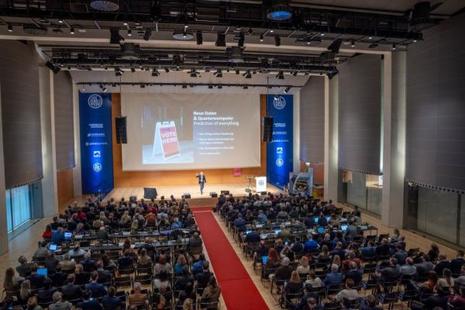
ÖHV Congress 2026 in Linz (source: © Florian Lechner via gastroreport.at) |
Many of the ideas presented sounded compelling in theory, but felt far removed from everyday reality. Not because they were wrong, but because implementation is a completely different challenge.
Who is supposed to drive AI projects when there is already a shortage of staff?
How do you train a team of 50 people on new systems during peak season?
Which investments make sense when next year’s occupancy is still uncertain?
How do you think strategically about simplification when new regulatory demands appear almost daily?
The pressure is especially high for general managers and operations leaders. They are expected to think strategically while delivering operational results. They are asked to innovate while protecting profitability. They are responsible for guest experience while also ensuring every reporting deadline is met.
The role has changed dramatically, and it has not become easier.
The most honest discussions happened away from microphones and slides.
Publicly, people talk politely about “framework conditions.” Privately, frustration is obvious. Many regulatory requirements are presented as simplification because they are digital. In practice, they often just mean another login, another interface, and another process to manage. Real simplification would mean fewer obligations, not just digital ones.
The role of the hotelier and the general manager has fundamentally changed. In the past, the focus was on being a host, a quality manager, and a team leader.
Today, all of that still applies, but it is combined with being a technology strategist, change manager, data interpreter, efficiency driver, and compliance owner.
This concentration of responsibilities is exhausting. At the same time, the role is not necessarily becoming more attractive for young talent. High responsibility, complex demands, long hours, and an increasing share of administrative work make the job harder to sell.
The best hoteliers I know share one thing in common. They do not let this complexity paralyze them. They act. While others are still analyzing and debating, they take the first steps. This pragmatic, hands-on mindset is deeply rooted in Austrian hospitality.
ÖHV Congress 2026: Between AI Euphoria and Operational Reality
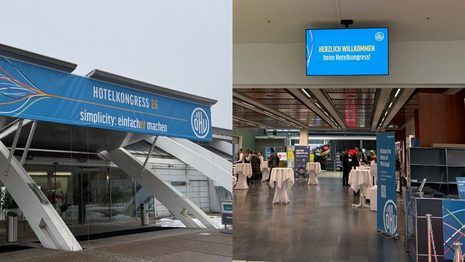
Entrance area at the ÖHV Congress 2026, themed “Simplicity” |
Another thing became clear in Linz: many global hospitality trends do not translate directly to Austria. What works for a city hotel in Vienna may be irrelevant for a ski hotel in Tyrol. Seasonality plays a much bigger role than in many other markets, with extreme differences between high and low season.
Most Austrian hotels are small or medium-sized businesses, which means enterprise solutions designed for large chains often do not fit budgets or structures. And Austria’s regulatory landscape is one of the most complex in Europe. Solutions that work elsewhere can fail here simply because of local rules and reporting obligations.
There was a noticeable shift in mindset. Less focus on expansion, more focus on consolidation. Less “bigger is better,” more “efficient is essential.” For many hoteliers, success in 2026 means staying profitable despite rising costs, keeping and developing their existing teams, delivering a good guest experience with fewer people, making the right technology choices, and staying operational despite administrative overload.
The optimism is more cautious than in previous years. The industry feels more mature and more realistic. At the same time, it is more confident in saying what it actually needs: fewer rules and more room to operate.
The ÖHV Congress made one thing clear. Austrian hospitality is at a turning point. The direction is obvious. More digital, more efficient, more data-driven. But the path is more complex than many keynote slides suggest.
My biggest takeaway from Linz is this: Austrian hospitality already has exactly what it needs right now. Not just the ability to simplify, but the courage to act. While other industries are still refining strategy documents, Austrian hoteliers roll up their sleeves. They are used to finding pragmatic solutions. They know how to improvise. They understand that perfection often gets in the way of progress. This mindset is incredibly valuable in times of transformation. Do not analyze everything to death. Do not wait for the perfect solution. Start, learn, and adjust along the way.
What the industry needs now is not another vision, but real, practical support. Technology that genuinely simplifies instead of adding complexity. Solutions that fit the size and reality of Austrian hotels. Partners who understand daily operations. Realistic implementation roadmaps. And above all, political commitment to reducing bureaucracy, not just digitalizing it. Hoteliers are ready for change. What they need are partners who do more than point out the destination. They need partners who walk the path with them and understand their everyday challenges. And that is exactly where technology providers come in. Not just to sell, but to listen. Not just to showcase features, but to solve real problems. Not just to talk about transformation, but to make it happen together.
If there is one thing we can all learn from Austrian hospitality, it is this: talk less, do more. Complicate less, simplify more. Plan, yes, but most importantly, execute.
Organization
Shiji Group
www.shijigroup.com/
Saarbrücker Str. 36A
Berlin, 10405
Germany


Recent News
 Shiji Hits Major Milestone with 400th Hyatt Infrasys POS and Full Digital F&B Ecosystem Install Shiji Hits Major Milestone with 400th Hyatt Infrasys POS and Full Digital F&B Ecosystem Install |
 2025 Guest Experience: How Hotels Are Winning Satisfaction in a Year of Record Demand | By Bruno Saragat 2025 Guest Experience: How Hotels Are Winning Satisfaction in a Year of Record Demand | By Bruno Saragat |
|
More time for guests: the impact of seamless technology at Sunborn London |